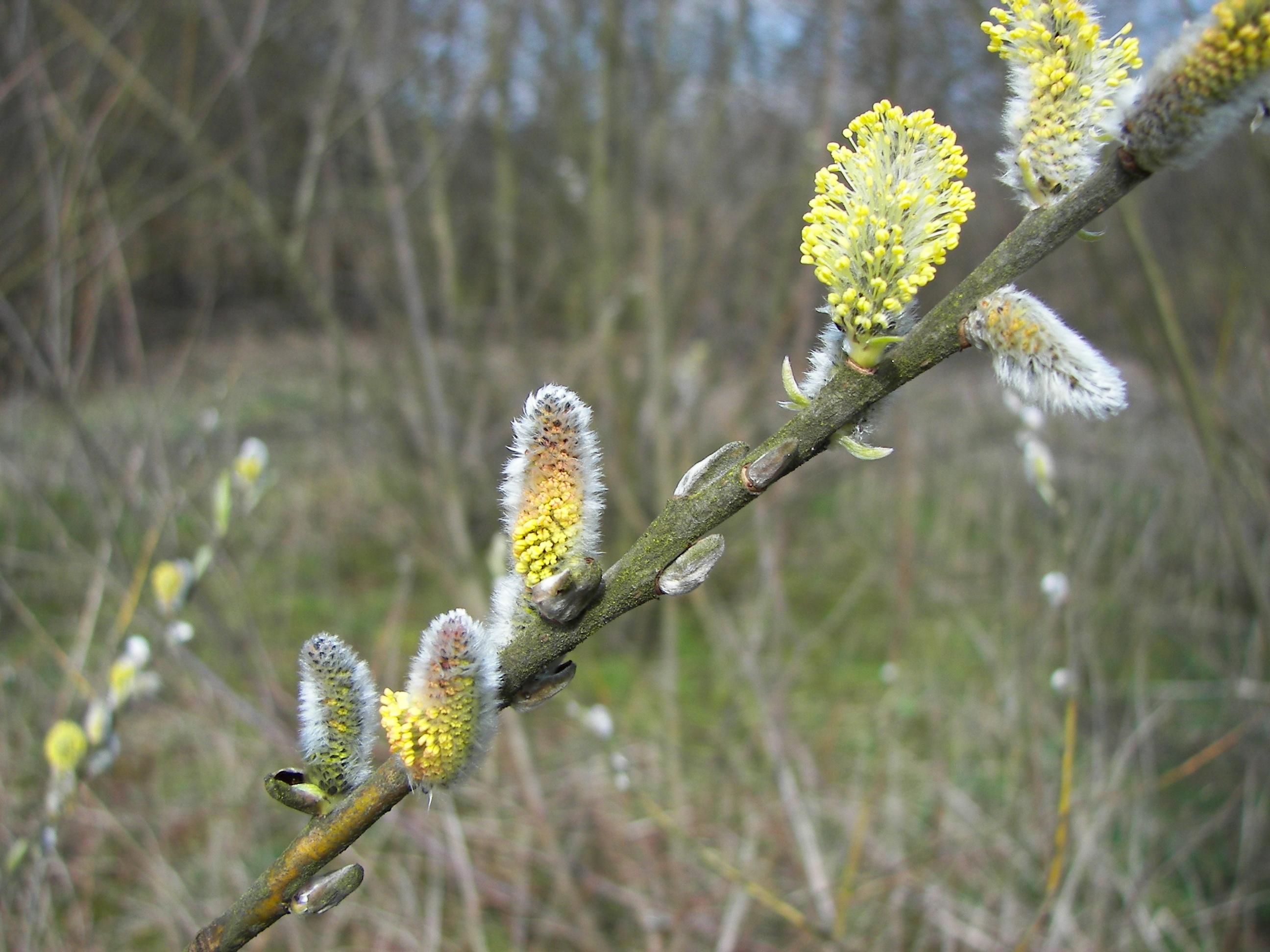
The flat wetlands between the Po Delta and the Istrian peninsula have long supplied two materials that define the regional weaving tradition: Arundo donax, the common giant reed that colonises drainage channels and riverbanks, and Salix viminalis, the osier willow cultivated in small plots just inland from the coast.
Workshops in towns such as Comacchio, Chioggia, and the villages south of Ravenna continue to produce baskets, fish traps, and furniture frames using methods documented at least since the late medieval period. A typical coastal workshop operates with three to five craftspeople, using hand tools — a bodkin, a side-cutting pliers, and a wooden form — alongside harvested material prepared on-site.
The combination of proximity to raw materials and centuries of practical adaptation has produced techniques that differ in small but meaningful ways from inland weaving traditions in Lombardy or Tuscany.